
Storms in Ottawa aren’t just inconvenient; they can be destructive, especially for your roof. Hail, high winds, heavy rain, and ice can compromise your roof’s ability to protect your home. The problem? Damage isn’t always obvious until it’s too late.
That’s why understanding how storms and hail impact your roof, knowing what to look for after severe weather, and following a proper inspection checklist can save you thousands in repairs and extend the life of your roof.
If you’ve recently experienced a storm, Vanity Roofing offers expert storm damage roof inspections to identify issues before they turn into costly problems.
Understanding Severe Weather & Hail Damage to Roofs
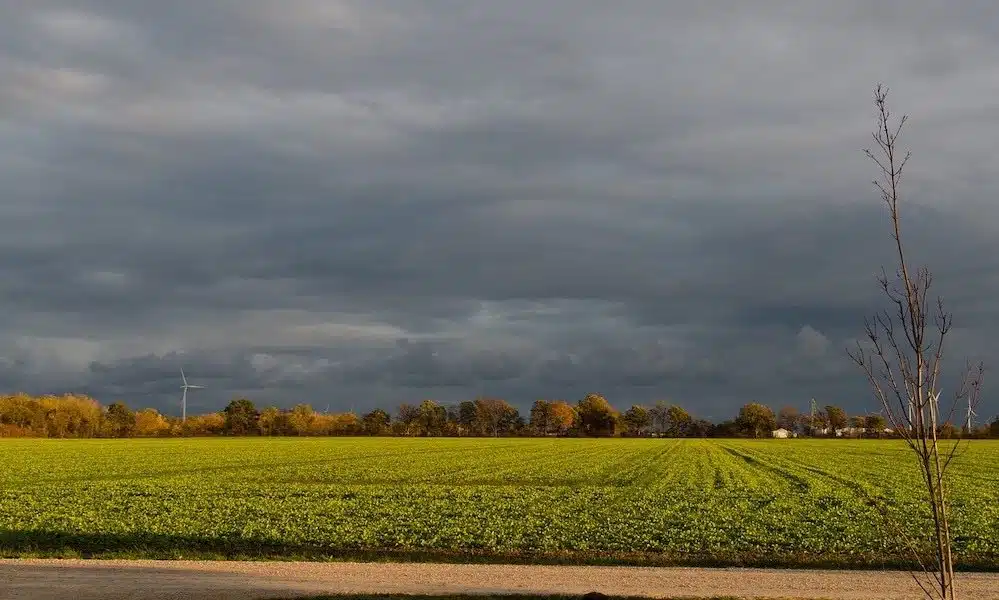
Ottawa’s climate delivers its fair share of roofing challenges. From summer hailstorms to winter ice buildup, severe weather can take a silent toll on your home.
Common Types of Severe Weather Roof Damage
- Wind Damage: Strong winds can lift or tear shingles, exposing underlayment to water
- Water Damage: Heavy rain or melting snow can penetrate small gaps, leading to leaks and rot
- Ice Dams: Freezing and thawing cycles cause ice buildup that pushes water under shingles
- Hail Damage: The most deceptive type, often invisible from the ground but highly destructive
How Wind Damages Your Roof
- Uplift forces that can loosen or completely remove shingles
- Debris impact from flying objects and tree branches
- Structural stress that can weaken fastening systems
- Edge lifting that creates entry points for water infiltration
How Hail Damages a Roof
- Shingle Bruising: Soft spots that feel spongy and weaken the material
- Granule Loss: Asphalt shingles lose their protective coating, exposing them to UV damage
- Cracks and Punctures: Breaks in shingles or flashing that allow water intrusion
- Accessory Damage: Dents to gutters, downspouts, and roof vents
According to the Insurance Institute for Business & Home Safety, hail damage is one of the top causes of homeowner insurance claims in Canada.
How to Spot Roof Damage After a Storm
While a comprehensive roof assessment requires professional expertise, homeowners can identify several warning signs from the safety of the ground level.
However, it’s crucial to remember that the absence of visible damage doesn’t guarantee your roof escaped unscathed.
Exterior Warning Signs
Shingle Damage Indicators:
- Missing shingles or sections of roofing material
- Cracked, curled, or buckled shingles
- Dark spots or bruising on shingle surfaces
- Excessive granules in gutters or around your home’s perimeter
- Shingles with torn or lifted edges
Structural Damage Signs:
- Dented or damaged gutters and downspouts
- Damaged or displaced flashing around chimneys, skylights, and vents
- Cracked or damaged siding, particularly on the storm-facing side of your home
- Debris accumulation on the roof surface
- Damaged or bent roof-mounted equipment (satellite dishes, antennas, HVAC units)
Interior Warning Signs
Water Infiltration Evidence:
- Water stains on ceilings or walls, particularly in upper-floor rooms
- Damp or wet insulation in attic spaces
- Musty odours indicating potential mould growth
- Visible dripping or active leaks during or after precipitation
- Peeling paint or wallpaper in upper-level rooms
The Limitation of DIY Assessments
It’s essential to understand that many forms of storm damage are completely invisible from ground level. Professional roofers use specialized equipment, including drones, moisture detection devices, and safety equipment, to access and thoroughly examine all roof surfaces.
Critical Safety Warning: Never attempt to climb onto your roof for inspection purposes. Storm-damaged roofing materials may appear intact but could be structurally compromised, creating serious fall hazards. Even experienced professionals use extensive safety equipment and protocols when accessing potentially damaged roofs.
Tip: If you see any of these signs, schedule a professional roof inspection immediately to prevent further damage.
Post-Storm Roof Inspection Checklist

Pre-Inspection Safety Protocols
Before beginning any assessment, prioritize safety above all else. Storm-damaged areas may contain hidden hazards, including unstable structures, electrical hazards from downed power lines, and debris with sharp edges. Always inspect from the ground or through windows when possible.
Ground-Level Inspection
Shingle and Roofing Material Evaluation:
- Examine all visible shingle surfaces for cracks, dents, or missing sections
- Look for granule accumulation in gutters, downspouts, and around your home’s foundation
- Check for any shingles that appear darker than surrounding areas (potential bruising)
- Note any curled, lifted, or displaced roofing materials
- Document any areas where underlying roof deck is visible
Gutter and Drainage System Inspection:
- Inspect gutters for dents, cracks, or sections pulled away from the house
- Check downspouts for damage and ensure proper attachment
- Look for excessive debris accumulation that could indicate roof material loss
- Examine gutter joints for separation or damage
- Verify that all drainage systems are properly directing water away from your foundation
Flashing and Seal Assessment:
- Examine flashing around chimneys, skylights, vents, and roof penetrations
- Look for bent, cracked, or displaced flashing materials
- Check caulk and sealant around roof penetrations for damage
- Inspect step flashing along roof-to-wall intersections
- Note any areas where flashing appears loose or improperly sealed
Attic and Interior Evaluation:
- Examine attic spaces for evidence of water infiltration
- Check insulation for dampness or water staining
- Look for daylight visible through roof deck (indicating penetrations)
- Document any water stains on interior ceilings or walls
- Note any new or worsening moisture-related odours
Auxiliary System Assessment:
- Inspect soffits and fascia boards for impact damage
- Check exterior siding for hail impact or debris damage
- Examine roof-mounted equipment (HVAC units, satellite dishes, solar panels)
- Look for damaged or displaced roof vents and exhaust systems
- Document any tree branches or debris on roof surfaces
Documentation Best Practices
Photography Guidelines: Take comprehensive photographs from multiple angles, including wide shots showing the entire roof area and close-up images of any suspected damage. Include reference objects for scale and ensure images are clearly dated. These photographs will be invaluable for insurance claims and professional assessments.
Detailed Record Keeping: Maintain a written log of all observed damage, including specific locations, approximate sizes, and any changes noticed since the storm event. Include weather event details such as date, time, and severity estimates.
Why You Should Call a Professional Roofing Company
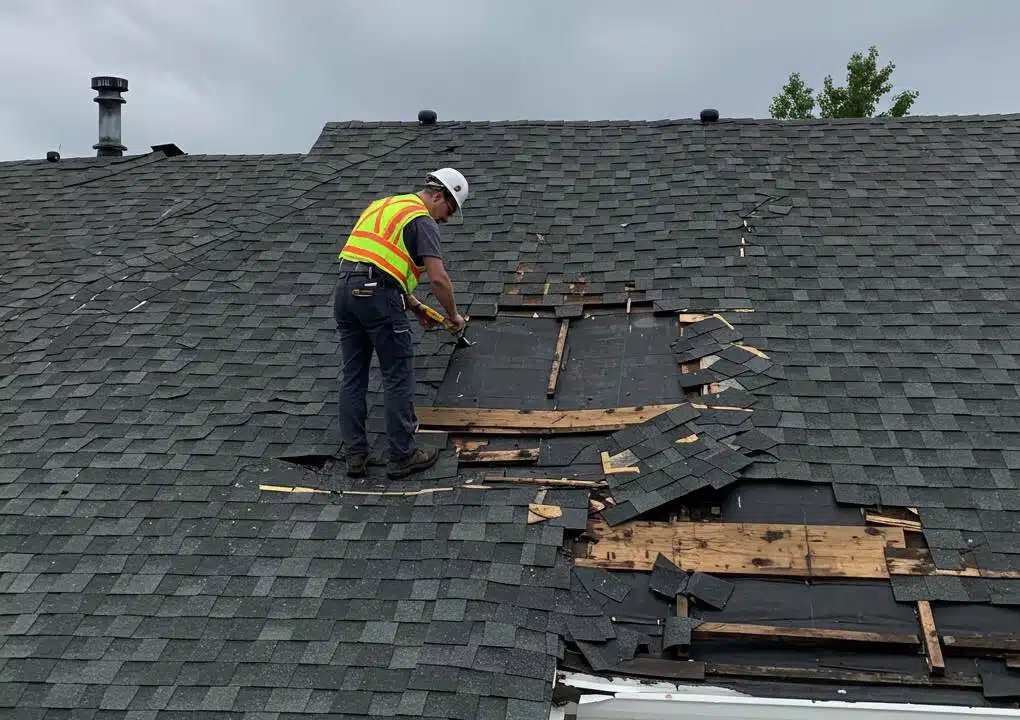
The Expert Advantage in Storm Damage Assessment
While homeowner inspections provide valuable initial assessments, they cannot replace the trained eye and specialized equipment of professional roofing contractors.
Certified inspectors bring years of experience specifically dealing with Ottawa’s unique weather challenges and have developed expertise in identifying subtle storm damage that can have major long-term consequences.
Professional Inspection Capabilities
Advanced Detection Technology: Professional roofers utilize moisture meters, infrared cameras, and drone technology to identify damage invisible to the naked eye. These tools can detect water infiltration pathways, structural weaknesses, and compromised insulation systems that would otherwise go unnoticed until significant damage occurs.
Comprehensive Assessment Protocols: Professional inspections follow systematic protocols that examine every component of your roofing system, including structural elements, ventilation systems, insulation integrity, and long-term performance indicators. This comprehensive approach ensures no damage goes undetected.
Safety and Accessibility: Professional roofers possess the training, experience, and equipment necessary to safely access all areas of your roof system. They can identify hazards and structural compromises that would be dangerous for homeowners to investigate independently.
Preventative Cost Savings
Professional inspections often identify minor issues that can be addressed cost-effectively before they develop into major structural problems.
The cost of a professional storm damage roof inspection is typically recovered many times over through early problem identification and prevention of secondary damage.
Long-term Financial Benefits:
- Early detection prevents minor repairs from becoming major replacements
- Professional documentation supports insurance claims
- Warranty preservation through proper maintenance
- Energy efficiency optimization through proper sealing and ventilation
- Property value protection through proactive maintenance
As an Ottawa roofing company with years of experience, Vanity Roofing understands the unique challenges local weather creates for your home.
Navigating the Insurance & Repair Process
Proper Damage Documentation Procedures
Successfully navigating insurance claims for storm damage requires meticulous documentation and prompt action. Insurance companies have specific requirements and time limitations that must be met to ensure coverage approval.
Essential Documentation Steps:
Immediate Documentation: Contact your insurance company within 24-48 hours of discovering damage, even if the full extent isn’t yet known. Many policies have strict notification requirements that can affect coverage if not met promptly.
Comprehensive Photo Documentation: Create a complete photographic record including wide-angle shots showing overall roof condition, close-up images of specific damage areas, and interior photos documenting any water infiltration or related damage. Include date stamps and reference objects for scale.
Professional Inspection Reports: Insurance companies often require professional assessments to validate claims. Vanity Roofing provides detailed roof inspection reports that meet insurance company standards and can expedite your claim process.
Working Effectively with Insurance Adjusters
Preparation Strategies: Compile all documentation, including photos, professional reports, and maintenance records. Be prepared to provide specific details about the storm event, including date, time, and severity. Having this information readily available demonstrates diligence and can help expedite claim processing.
Professional Advocacy: Experienced roofing contractors can serve as advocates during the insurance process, helping ensure that all damage is properly identified and documented. Our team has extensive experience working with insurance adjusters and understands the specific documentation and communication protocols that lead to successful claim resolutions.
Long-Term Roof Protection and Maintenance
Proactive Maintenance Strategies
Storm damage prevention begins with proper roof maintenance and regular professional inspections. Understanding how often to inspect your roof is crucial for maintaining your roofing system’s integrity and maximizing its lifespan.
Seasonal Maintenance Protocols:
Pre-Storm Season Preparation: Implement comprehensive seasonal maintenance, including gutter cleaning, loose shingle identification, flashing inspection, and drainage system verification. These proactive measures can significantly reduce storm damage severity.
Post-Storm Assessment Routine: Develop a systematic approach to post-storm assessment that includes both immediate safety evaluation and comprehensive damage documentation. Regular post-storm inspections help identify damage patterns and improve future storm preparedness.
Building Storm Resilience
Material Selection Considerations: When repairs or replacements are necessary, consider storm-resistant materials and installation techniques. Modern roofing materials offer improved hail resistance, wind ratings, and longevity compared to older options.
System Integration: Ensure that all roofing system components work together effectively, including proper ventilation, drainage, and structural support. Integrated system design provides better storm resistance and overall performance.
Conclusion
Hail and storms can silently compromise your roof’s integrity, leaving your home vulnerable to water damage and costly repairs. By understanding the impact of severe weather, spotting early warning signs, and following a detailed inspection checklist, you’ll be better prepared to protect your investment.
And when in doubt, trust a local expert. Vanity Roofing has the knowledge, tools, and experience to keep your home safe year-round.
Don’t wait for small problems to turn into big ones — book your free roof inspection today.
Frequently Asked Questions
1. How soon after a storm should I have my roof inspected?
You should schedule a professional roof inspection within 48-72 hours after a significant storm event. While some damage may not be immediately apparent, early detection is crucial for preventing secondary damage and meeting insurance claim deadlines. If you notice any obvious damage like missing shingles or active leaks, contact a professional immediately.
2. Can I inspect my own roof for storm damage?
While you can perform a preliminary assessment from the ground, a professional inspection is essential for comprehensive damage evaluation. Approximately 70% of hail damage is invisible from ground level, and climbing onto a potentially damaged roof creates serious safety hazards. Use binoculars to examine your roof from the ground, but rely on professional roof contractors for a thorough assessment and any necessary roof access.
3. Will my insurance cover storm damage repairs?
Most homeowner’s insurance policies cover storm damage, but coverage depends on your specific policy terms and prompt reporting. You typically need to report damage within 24-48 hours and provide proper documentation, including professional inspection reports.
Insurance companies may require proof that damage resulted from a covered weather event rather than normal wear and tear. Working with experienced contractors who understand insurance requirements can help ensure successful claim processing.
4. How much does storm damage roof repair typically cost in Ottawa?
Storm damage repair costs vary significantly depending on the extent of damage, roofing materials, and specific repairs needed.
Minor repairs might range from $500 – $2,000, while major damage requiring extensive shingle replacement could cost $5,000 – $15,000 or more. Complete roof replacement due to severe storm damage can range from $15,000-30,000+, depending on home size and material choices.
5. What should I do if I discover roof damage months after a storm?
If you discover storm damage well after a weather event, document the damage immediately with photographs and contact both your insurance company and a professional roofing contractor.
While delayed discovery may complicate insurance claims, coverage may still be possible if you can demonstrate that the damage resulted from a specific storm event.
Keep detailed records of when you discovered the damage and any factors that prevented earlier detection. Some insurance policies provide coverage for damage discovered within one year of a documented storm event, but prompt action is always advisable.